
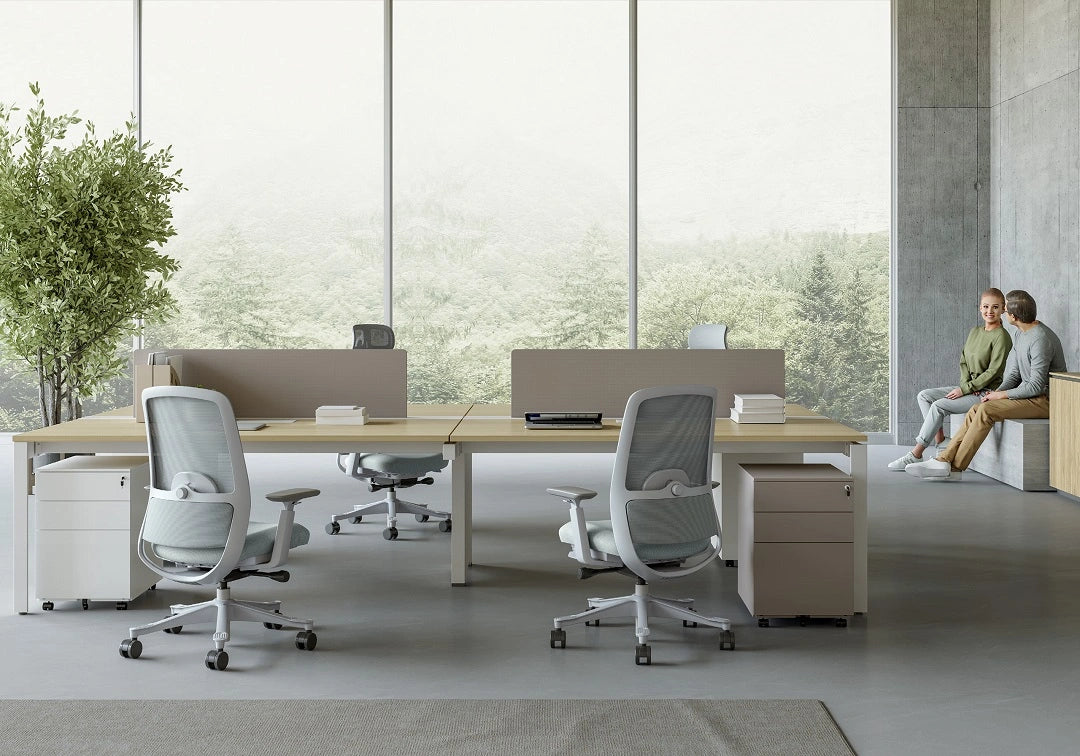
A well-planned modern office directly influences productivity, employee well-being, communication, and even a company’s culture. As someone who has planned countless offices and worked closely with corporate teams, I’ve summarized 13 practical, expert-level strategies that help organizations build a functional, flexible, and inspiring workspace.
These insights apply to startups, corporate offices, coworking spaces, and fast-growing hybrid teams across the U.S. and global markets.
1. Create an Open Office Layout That Encourages Collaboration
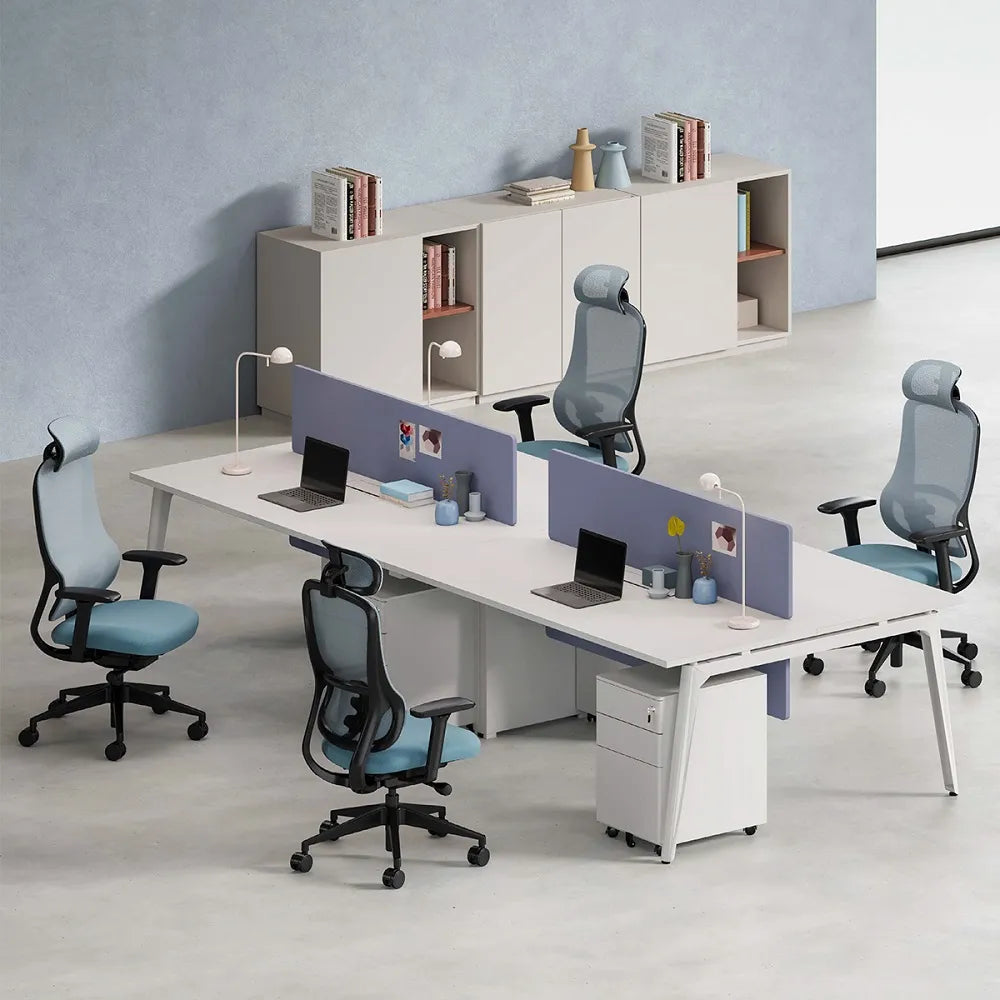
A well-executed open office layout removes heavy partitions and replaces them with open sightlines, shared work zones, and natural movement. When designed properly, it reduces the feeling of being boxed in and creates a more energetic, connected work environment.
Employees can communicate more freely, quickly share ideas, and solve problems without unnecessary delays. Many tech companies adopting open layouts report a 15–30% reduction in communication time and noticeable boosts in project speed.
However, open offices can introduce noise and privacy challenges. To balance openness with focus:
- Use acoustic panels, carpets, and soft materials
- Add quiet rooms or phone booths for confidential conversations
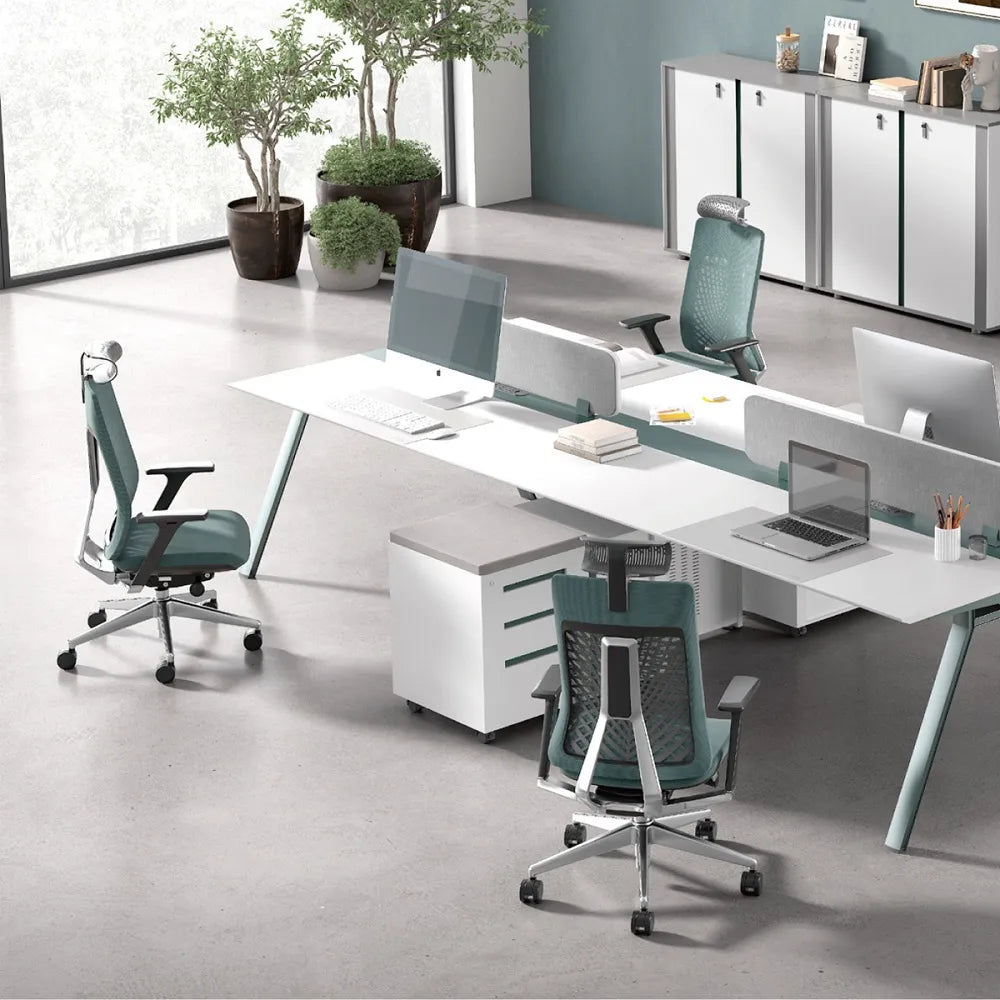
- Incorporate low-height screens to define personal space without closing the layout
A modern office layout should create openness without overwhelming employees. The goal is freedom, not chaos.
2. Use Flexible, Modular Office Furniture
Flexible furniture is the backbone of a modern workspace. Instead of rigid, fixed setups, modular furnishings allow spaces to be rearranged in minutes.
Examples include:
- Mobile training tables that nest, fold, or roll
- Adjustable-height desks that support sit-stand working
- Foldable partitions for on-demand privacy
- Mobile whiteboards for brainstorming
Companies using flexible furniture often report faster setup for meetings, easier team mobility, and better utilization of floor space. As work modes shift between focus, collaboration, and workshops, your furniture should shift with them.
3. Design Multi-Use Zones for Different Work Styles
No modern office can rely on a single type of workspace. High-performing teams need:
● Focus Zones
Quiet areas for concentrated work, ideal for writers, designers, analysts, or engineers. Removing noise distractions can improve productivity by 30–40%.
● Small Discussion Areas
Designed for quick huddles or brainstorming sessions. Movable tables and chairs make these spaces agile and idea-friendly.
● Break & Lounge Areas
Comfortable seating, warm lighting, and soft textures help employees decompress. A well-designed break area can improve morale and reduce stress-related errors by 20–30%.
These zones reduce communication friction and allow each employee to choose the environment that best fits their work style.
4. Choose Sustainable, Eco-Friendly Materials
Sustainability is no longer a trend — it’s an expectation. Businesses across the U.S. increasingly adopt eco-friendly office design to reduce environmental impact and improve indoor air quality.
Effective choices include:
- Low-VOC paints and adhesives
- Renewable materials such as bamboo
- Recycled plastics used in modern office furniture
- Cellulose-based insulation for efficient energy control
Good natural lighting and strong ventilation systems also support employee health and reduce energy consumption. Offices that optimize daylight exposure often report fewer sick days and higher employee engagement.
5. Apply Color Psychology to Build a Productive Atmosphere
Colors influence behavior more than most leaders realize.
- Blue enhances focus and calmness, ideal for analytical or technical teams
- Green reduces eye strain and creates a natural, balanced environment
- Yellow and orange energize creative teams and inspire innovation
A balanced palette uses a neutral base (gray, white, beige) with strategic accent colors to define energy without overwhelming the senses. Proper color selection contributes to a healthier, more emotionally stable workplace.
6. Plan for Adequate Storage to Reduce Visual Clutter
Clutter kills productivity. Employees waste up to 15–30 minutes daily searching for misplaced items in disorganized offices.
Smart storage solutions include:
- Metal or wood file cabinets for long-term document storage
- Shelving systems for reference materials and decorative items
- Desk drawers with built-in dividers for everyday essentials
- Transparent or open-front cabinets to keep items visible
A well-organized office increases efficiency and helps maintain a cleaner, more professional appearance.
7. Invest in Professional Lighting Design
Lighting plays a major role in employee well-being.
● Natural Light
Exposure to daylight increases alertness, stabilizes circadian rhythms, and enhances productivity by 15% or more.
● Task Lighting
LED panel lights, desk lamps, and properly distributed overhead lighting ensure clarity without strain.
● Smart Lighting Systems
Motion sensors, dimming controls, and adaptive brightness reduce energy consumption and create a more personalized work atmosphere.
Good lighting supports both function and comfort — essential for a modern office.
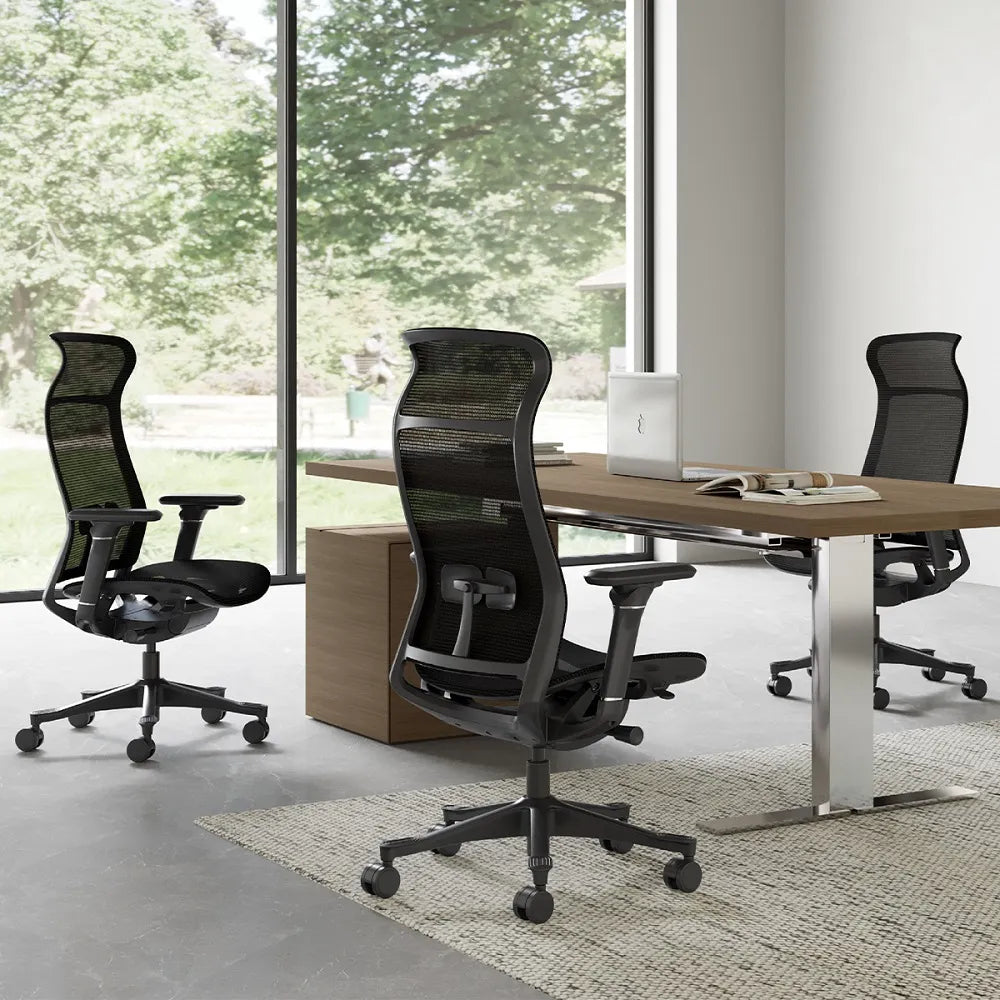
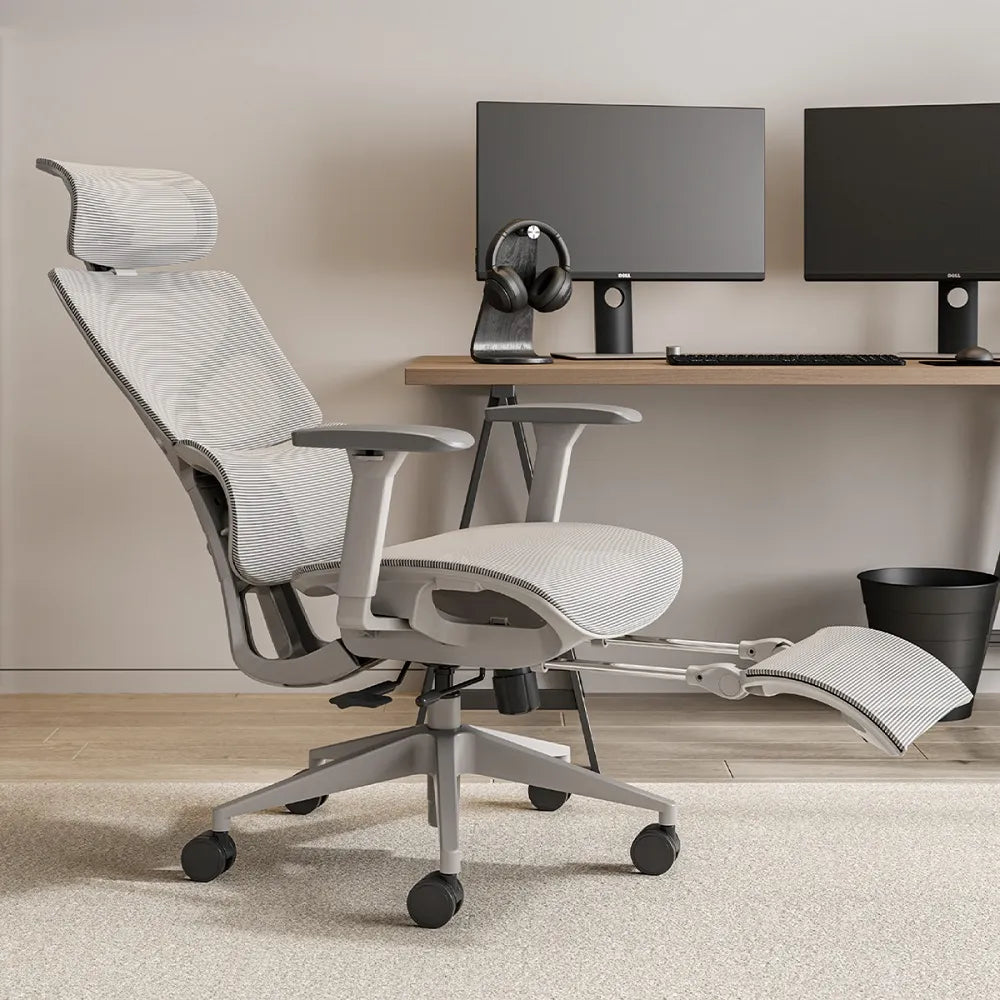
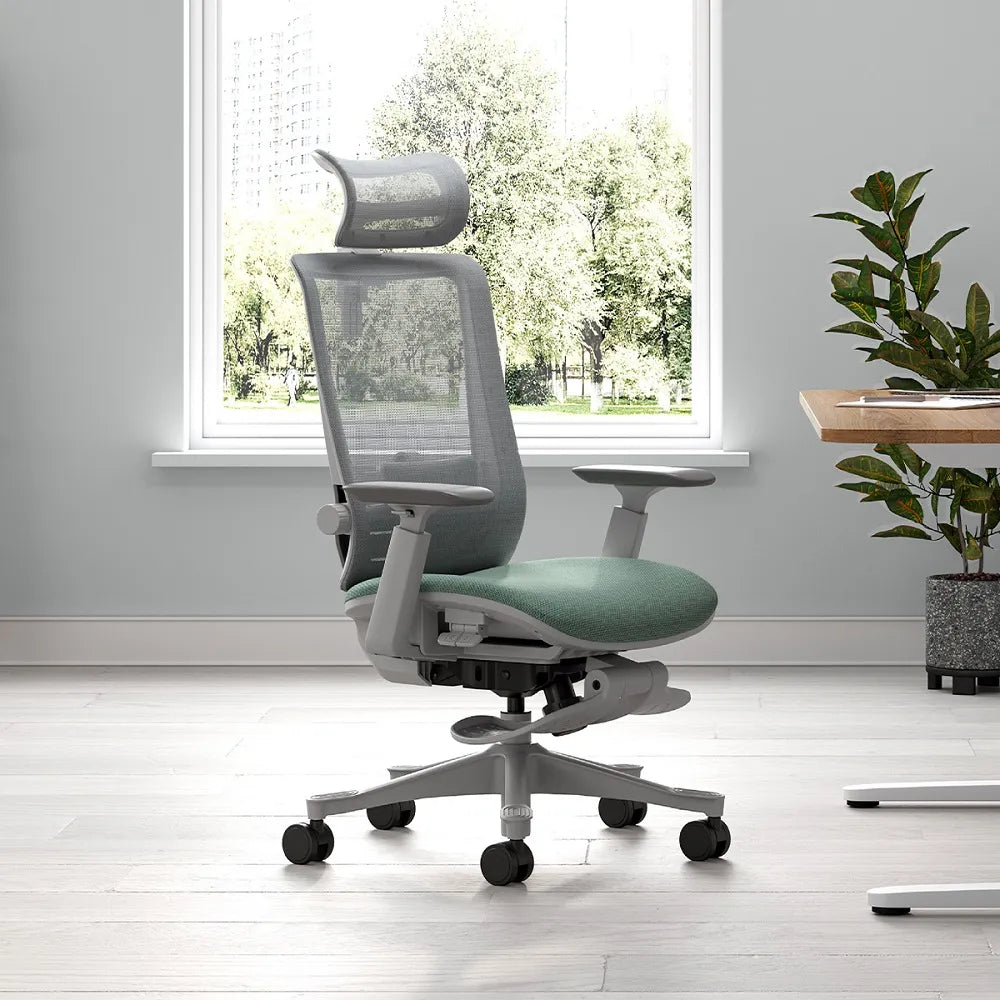
8. Provide High-Quality Ergonomic Office Chairs
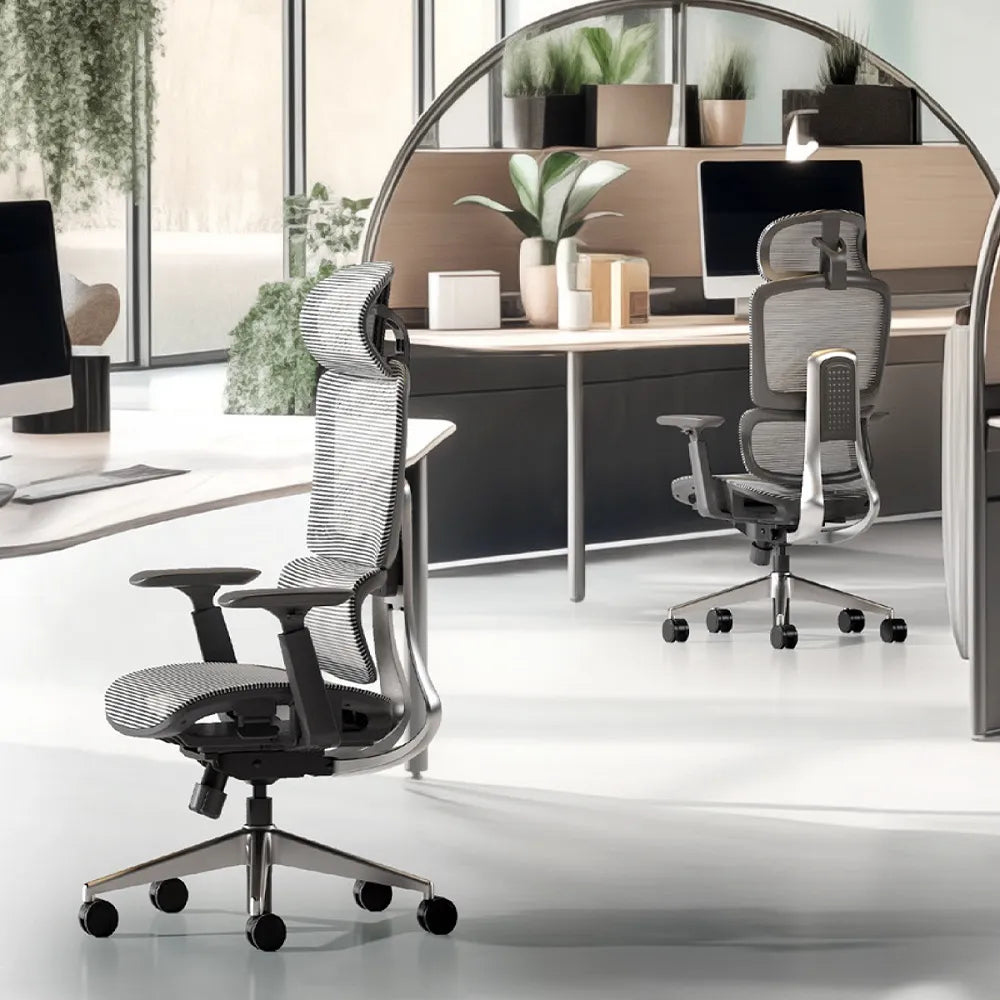
A good ergonomic office chair is one of the most important investments in any workspace. Poor seating increases fatigue, reduces productivity, and leads to chronic pain conditions.
Key features to look for:
- Adjustable seat height
- Lumbar support that follows the spine’s natural curve
- Breathable mesh back
- Multi-angle recline
- Smooth and durable casters
- Strong, stable base
Employees who use ergonomic seating experience significantly fewer physical issues and demonstrate improved focus and endurance throughout the day.
9. Make Use of Underutilized Corners
Corners often go unnoticed, yet they can become valuable functional pockets:
- Mini reading nooks with a lounge chair and bookshelf
- Plant corners filled with greenery for air purification
- Casual seating areas with beanbags or soft stools
These micro-spaces add personality, warmth, and variety to the work environment while helping employees recharge.
10. Integrate Smart Office Technology
Smart tools improve efficiency and reduce operational overhead.
- Examples include:
- Smart lighting systems that adjust based on daylight
- Smart HVAC that optimizes temperature and reduces energy waste
- Video conferencing systems for seamless hybrid collaboration
- Smart meeting boards for interactive sessions
- Automation software for tasks like reporting or scheduling
Companies using smart systems often see 20–40% reductions in energy usage and faster meeting turnaround times.
11. Add Personalized Decor to Build Culture
Personalized environments increase belonging and morale.
Common ideas:
- Photo walls celebrating team events
- Art pieces representing company values
- Green plants that soften the space
- Small desk accessories reflecting individual personality
These touches make a workspace feel alive and help strengthen company culture.
12. Create Clear Circulation Paths
A well-planned office needs efficient movement. Pathways should be wide enough—typically:
- Main aisles: at least 1.5 meters (≈5 feet)
- Secondary aisles: at least 1.2 meters (≈4 feet)
Avoid sharp corners, dead ends, or cluttered walkways. Clear signage and emergency routes are critical for safety and smooth navigation.
13. Maintain and Update the Workspace Regularly
Even the best design requires ongoing care.
Recommended routine:
- Monthly hardware and equipment checks
- Regular cleaning and wall/paint touch-ups
- Upgrading old desks or chairs as needed
- Rearranging layouts when team sizes or workflows change
- Updating meeting technology periodically
A workspace that evolves with the company remains comfortable, efficient, and aligned with modern work trends.
Final Thoughts:
A productive and inspiring office doesn’t come from expensive furniture or trendy aesthetics alone. It grows from thoughtful planning, ergonomic choices, sustainable design, and a deep understanding of how people work.
By applying these 13 expert strategies, companies can create a workspace that enhances collaboration, reduces stress, boosts productivity, and reflects a modern professional identity.
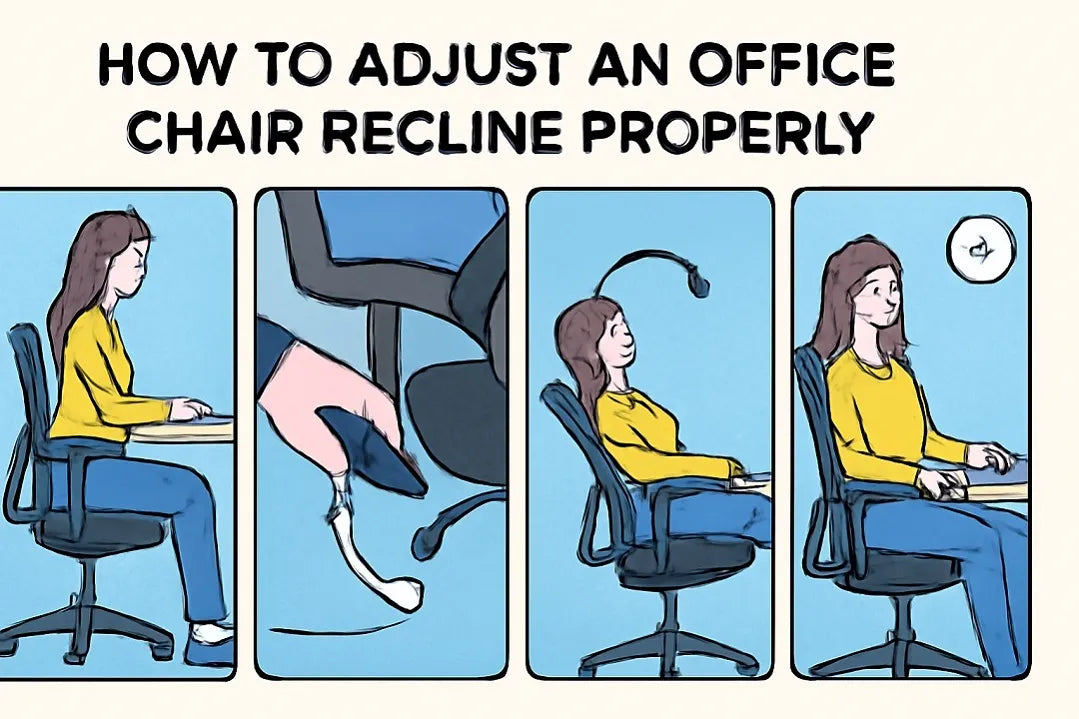
Read more: How to Adjust an Office Chair Recline Properly?
FAQs
1. What makes a modern office design more productive?
A modern office becomes more productive when it balances open collaboration areas with quiet focus zones, uses ergonomic office chairs, optimizes natural lighting, and provides flexible furniture that adapts to different workstyles. Together, these elements reduce distractions and improve workflow efficiency.
2. Why are ergonomic office chairs essential for today’s workplaces?
Ergonomic office chairs support the spine’s natural curve, reduce fatigue, and help employees maintain healthy posture throughout long work hours. High-quality lumbar support, adjustable seat height, and breathable mesh materials are key features that improve comfort and boost productivity.
3. How can companies design a workspace that supports both focus and teamwork?
The best approach is to use a zoned workspace planning strategy, which separates quiet focus areas from collaboration hubs. Flexible furniture, movable partitions, and acoustic materials help create spaces that shift easily between brainstorming sessions and deep work.
4. What sustainable materials are recommended for eco-friendly office design?
Popular sustainable choices include bamboo surfaces, recycled plastics, low-VOC paints, and cellulose-based insulation. These materials reduce indoor air pollutants and help companies create healthier, more environmentally responsible work environments.
5. How often should companies update or maintain their office furniture and equipment?
Most experts recommend evaluating office furniture and equipment every 12 months. Look for signs of wear, discomfort, or outdated technology. Regular updates—such as replacing old chairs with new ergonomic models or upgrading meeting equipment—can significantly improve comfort and efficiency.

Dejar un comentario
Todos los comentarios se revisan antes de su publicación.
Este sitio está protegido por hCaptcha y se aplican la Política de privacidad de hCaptcha y los Términos del servicio.